maggie manville

Optavise App

Designing a native mobile experience for SaaS-delivered benefits — and adapting when legacy infrastructure forced a pivot to responsive web.

Role:

Lead Designer, ID Card Experience + Design System

Timeline:

2024-2025

Tools:

Figma
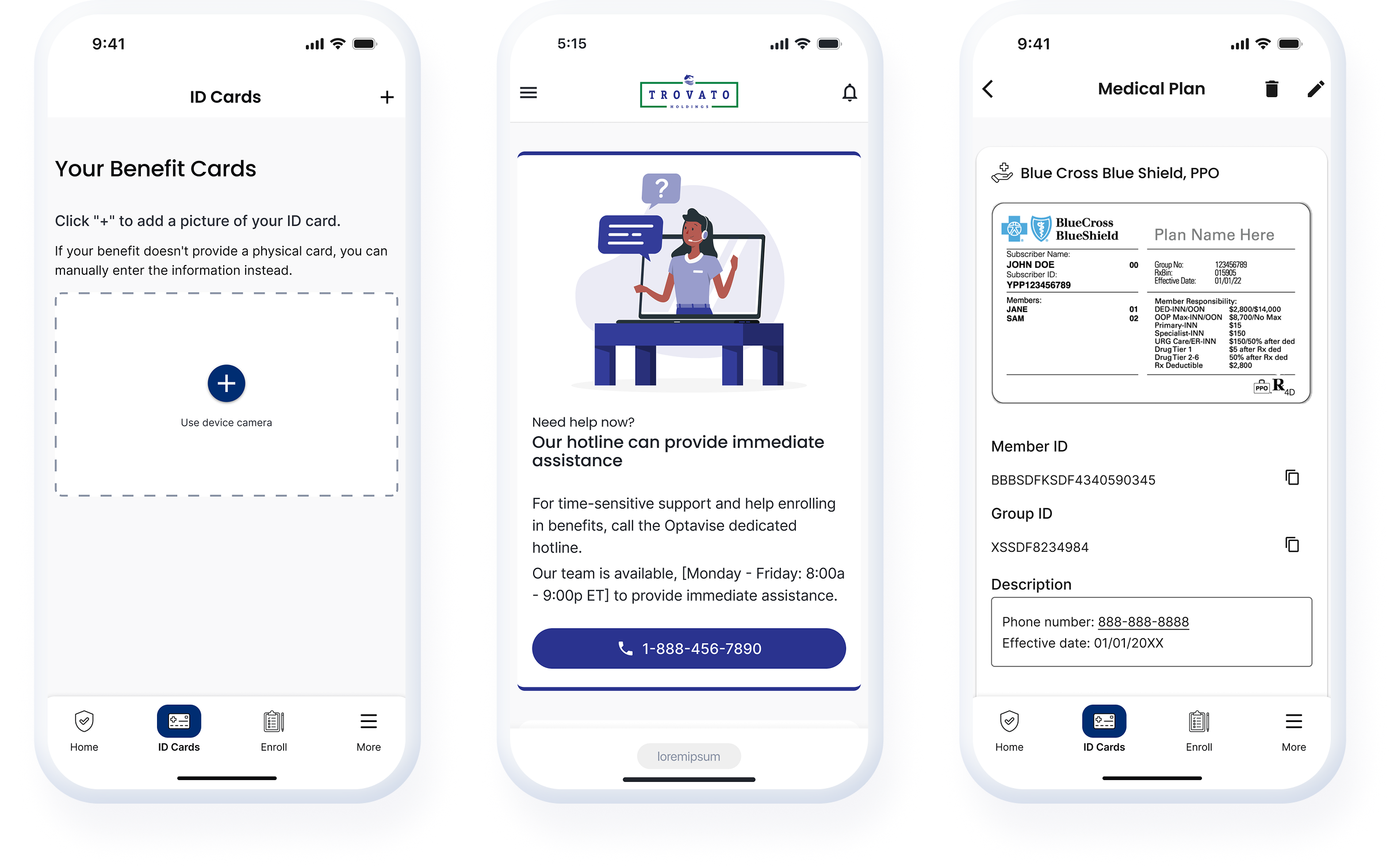
mobile screens created

Outcome:

Led the end-to-end mobile design for Optavise's benefits experience, including the ID Card flow and contributing components to the design system. When backend infrastructure constraints paused the native app, the research, information architecture, and component work directly shaped Clear — the responsive product that shipped in its place. The work reframed an internal "let's have an app" goal into a clear-eyed decision about what the product actually needed to be.

Give users quick access to benefits

The mobile app needed to let users get a quick overview of their benefits information: fast, glanceable, and without digging.
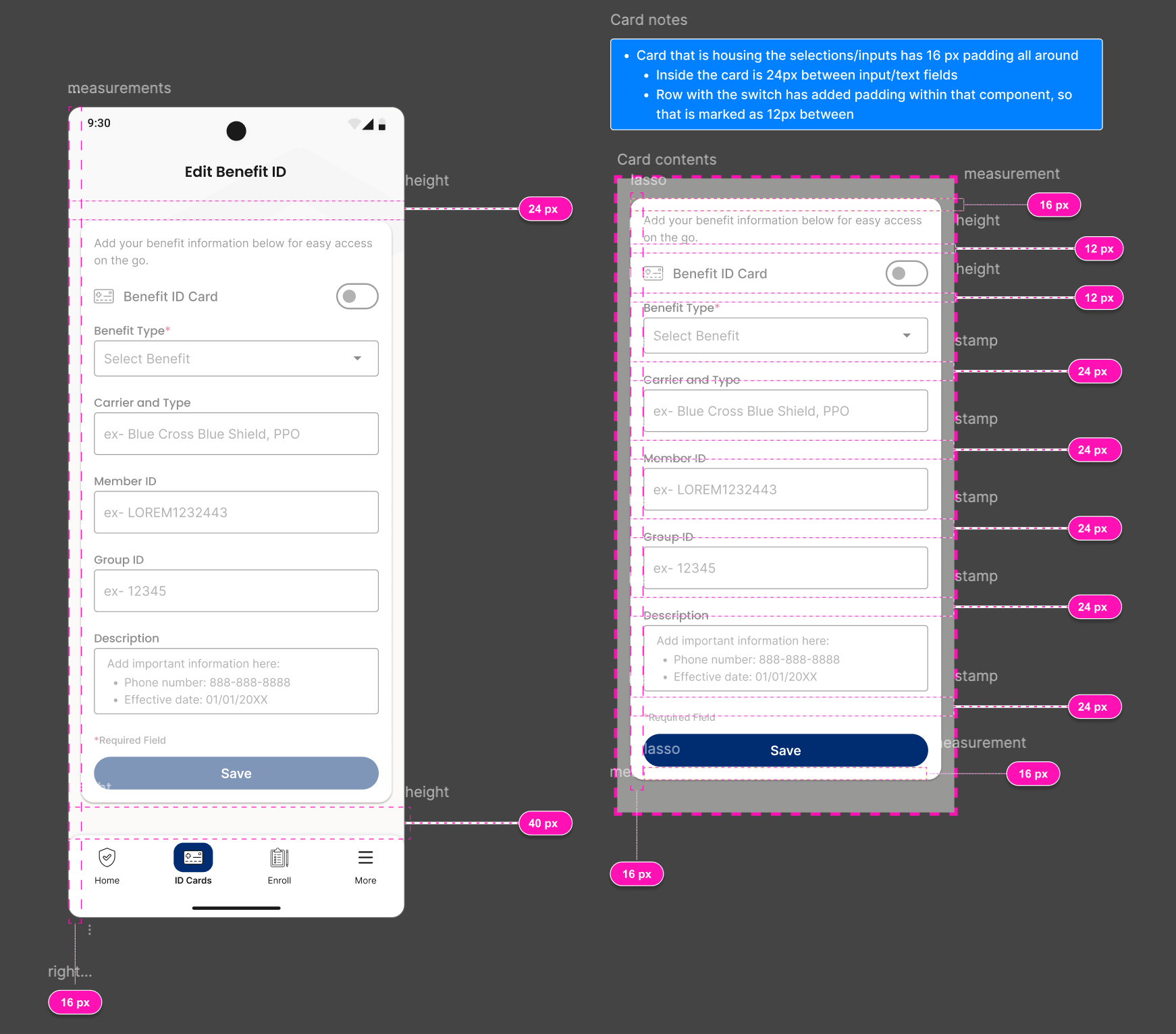
notes on design

Developer handoff material

Legacy Infrastructure Problem

The app itself went through many iterations including whether it would be a native mobile app or a mobile browser app. The tricky problem was that the infrastructure of the benefit information and advocacy were at odds. Which resulted in some backend hurdles that ultimately, put the project on hold.
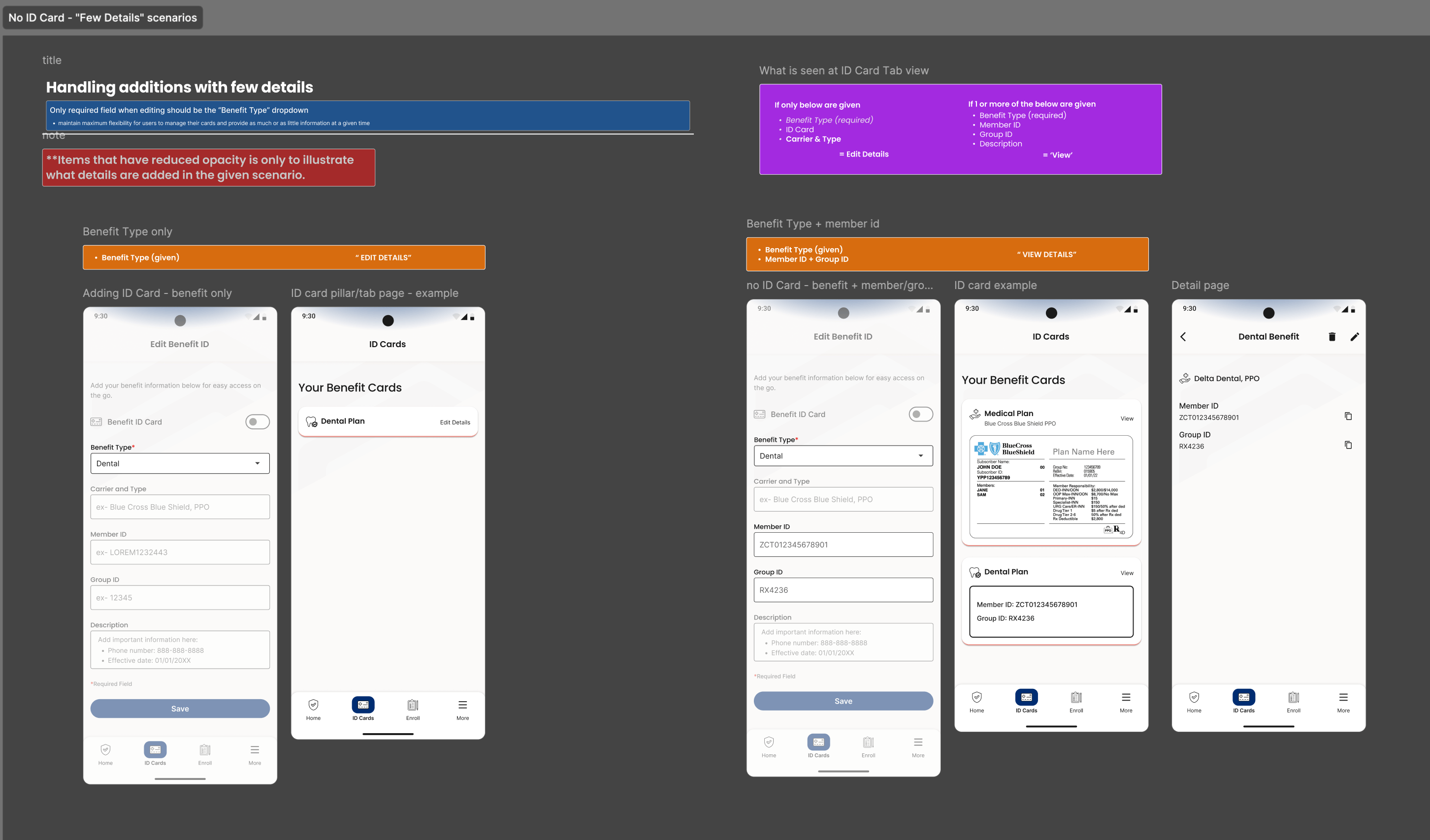
notes on design

Mobile screens for different edge cases

Informed future delivered product

While the native app was put on hold, the research heavily informed the development of a new product called, ‘Clear.’
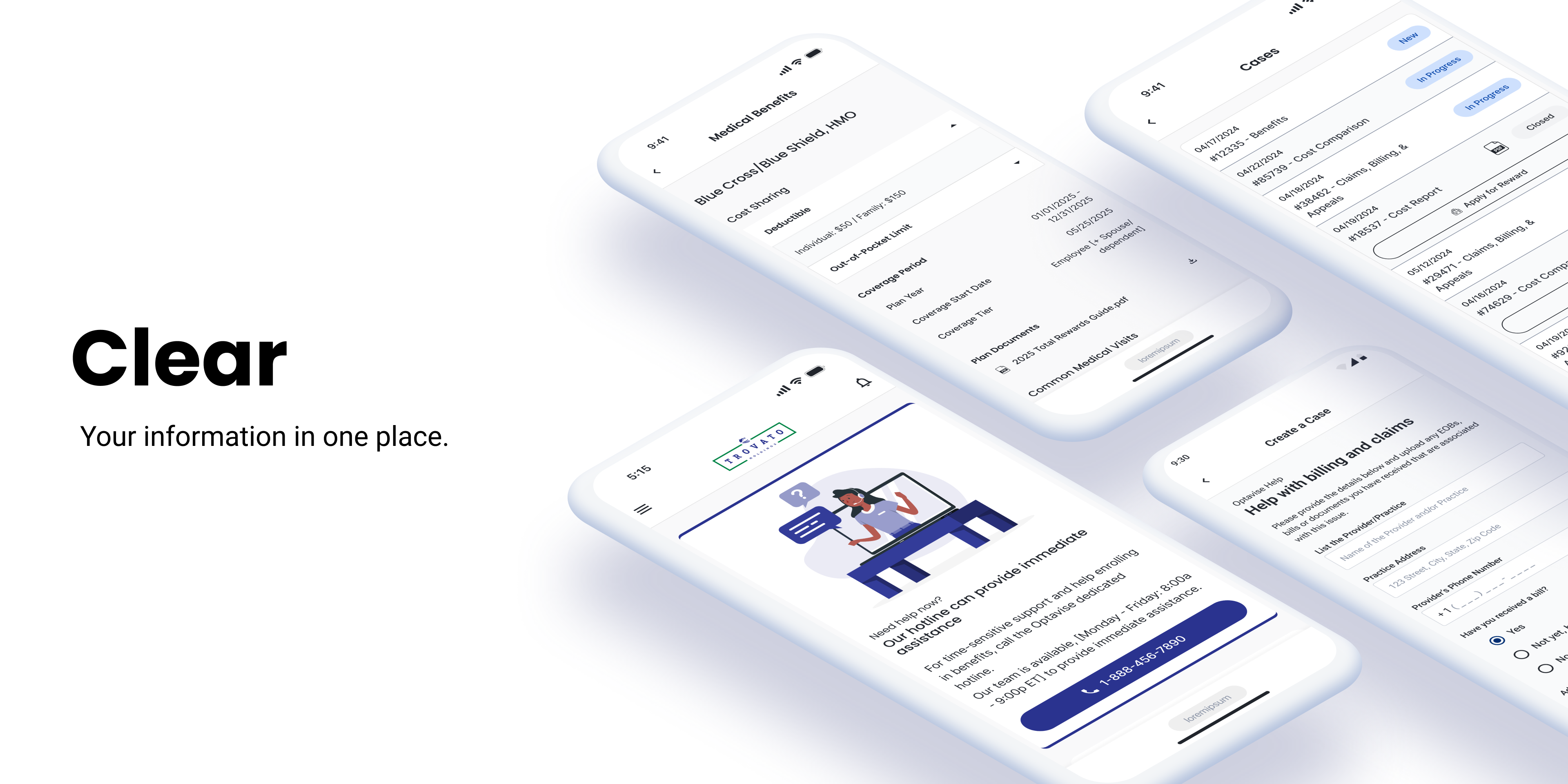
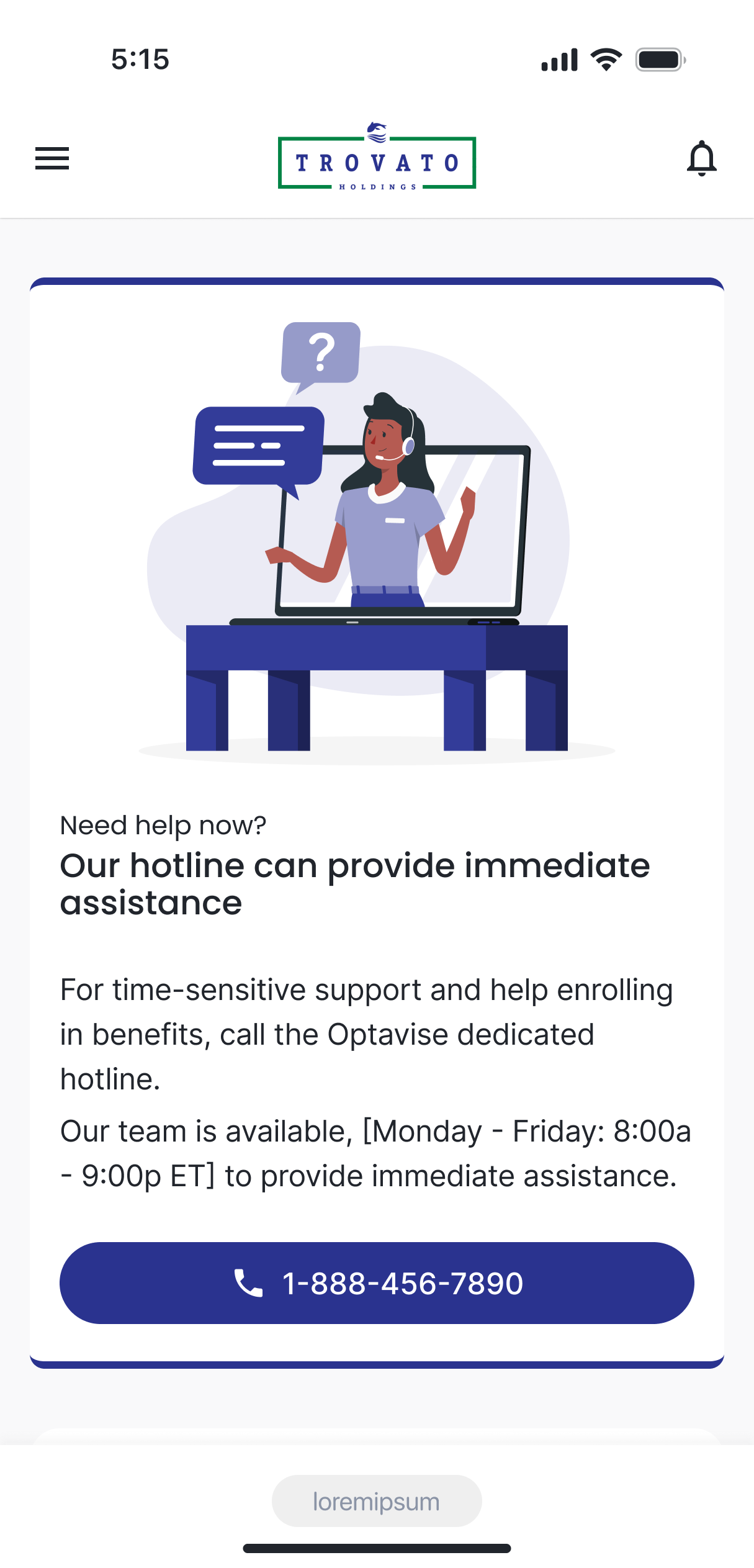
images showing mockups of insurance product created
screens created
screens created

Native app became responsive site

While at the time it felt frustrating, the work that we did on the app laid the foundation for what would become the responsive site. The decision was appropriate for what the product’s function would be offering as it overlapped with another product that we already offered. It had become a “let’s have an app” just to “have an app.”

maggie manville

Optavise App

Designing a native mobile experience for SaaS-delivered benefits — and adapting when legacy infrastructure forced a pivot to responsive web.

Role:

Lead Designer, ID Card Experience + Design System

Timeline:

2024-2025

Tools:

Figma

mobile screens created

Outcome:

Led the end-to-end mobile design for Optavise's benefits experience, including the ID Card flow and contributing components to the design system. When backend infrastructure constraints paused the native app, the research, information architecture, and component work directly shaped Clear — the responsive product that shipped in its place. The work reframed an internal "let's have an app" goal into a clear-eyed decision about what the product actually needed to be.

Give users quick access to benefits

The mobile app needed to let users get a quick overview of their benefits information: fast, glanceable, and without digging.

notes on design

Developer handoff material

Legacy Infrastructure Problem

The app itself went through many iterations including whether it would be a native mobile app or a mobile browser app. The tricky problem was that the infrastructure of the benefit information and advocacy were at odds. Which resulted in some backend hurdles that ultimately, put the project on hold.

notes on design

Mobile screens for different edge cases

Informed future delivered product

While the native app was put on hold, the research heavily informed the development of a new product called, ‘Clear.’
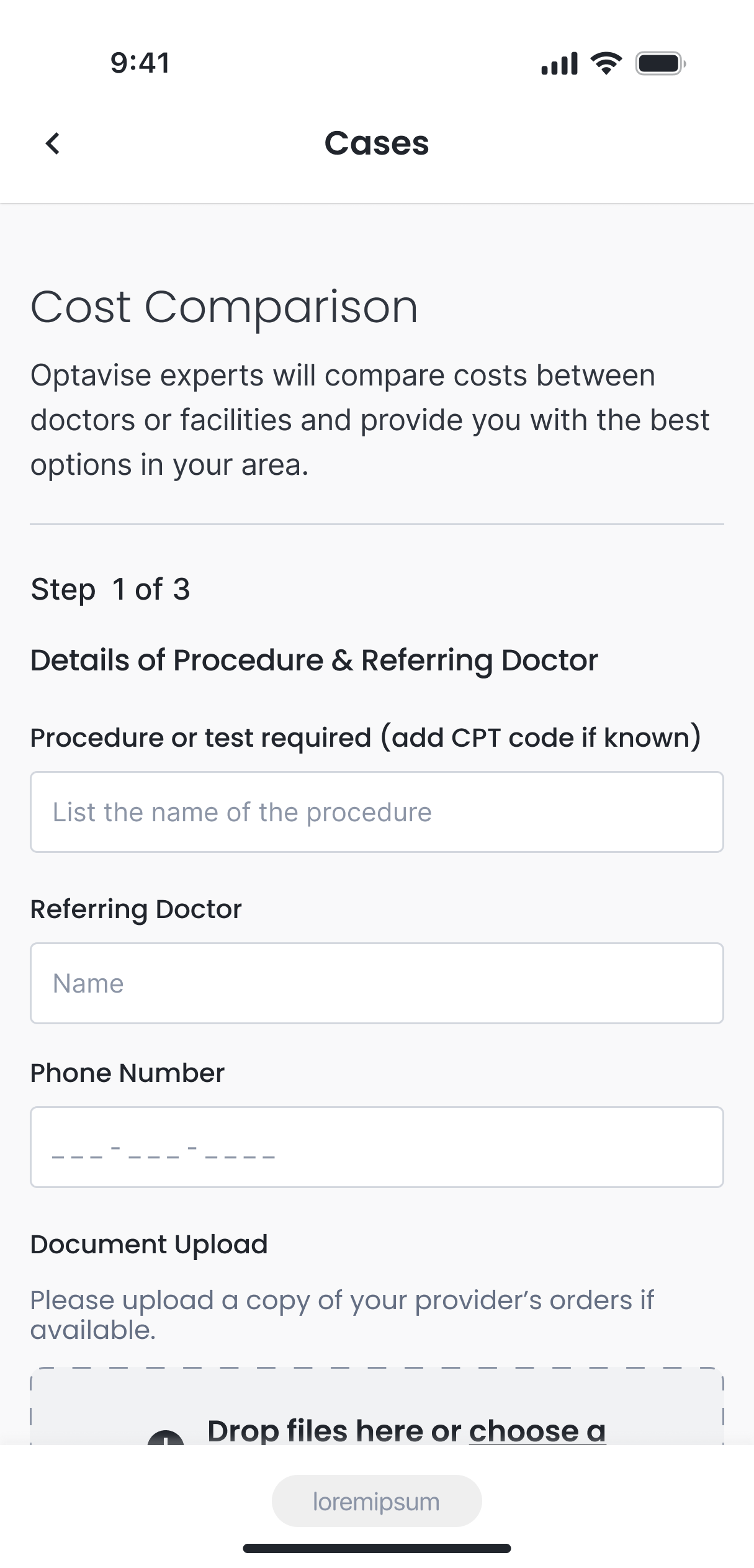
images showing mockups of insurance product created
screens created
screens created
screens created

Native app became responsive site

While at the time it felt frustrating, the work that we did on the app laid the foundation for what would become the responsive site. The decision was appropriate for what the product’s function would be offering as it overlapped with another product that we already offered. It had become a “let’s have an app” just to “have an app.”

maggie manville

Optavise App

Designing a native mobile experience for SaaS-delivered benefits — and adapting when legacy infrastructure forced a pivot to responsive web.

Role:

Lead Designer, ID Card Experience + Design System

Timeline:

2024-2025

Tools:

Figma

mobile screens created

Outcome:

Led the end-to-end mobile design for Optavise's benefits experience, including the ID Card flow and contributing components to the design system. When backend infrastructure constraints paused the native app, the research, information architecture, and component work directly shaped Clear — the responsive product that shipped in its place. The work reframed an internal "let's have an app" goal into a clear-eyed decision about what the product actually needed to be.

Give users quick access to benefits

The mobile app needed to let users get a quick overview of their benefits information: fast, glanceable, and without digging.

notes on design

Developer handoff material

Legacy Infrastructure Problem

The app itself went through many iterations including whether it would be a native mobile app or a mobile browser app. The tricky problem was that the infrastructure of the benefit information and advocacy were at odds. Which resulted in some backend hurdles that ultimately, put the project on hold.

notes on design

Mobile screens for different edge cases

Informed future delivered product

While the native app was put on hold, the research heavily informed the development of a new product called, ‘Clear.’
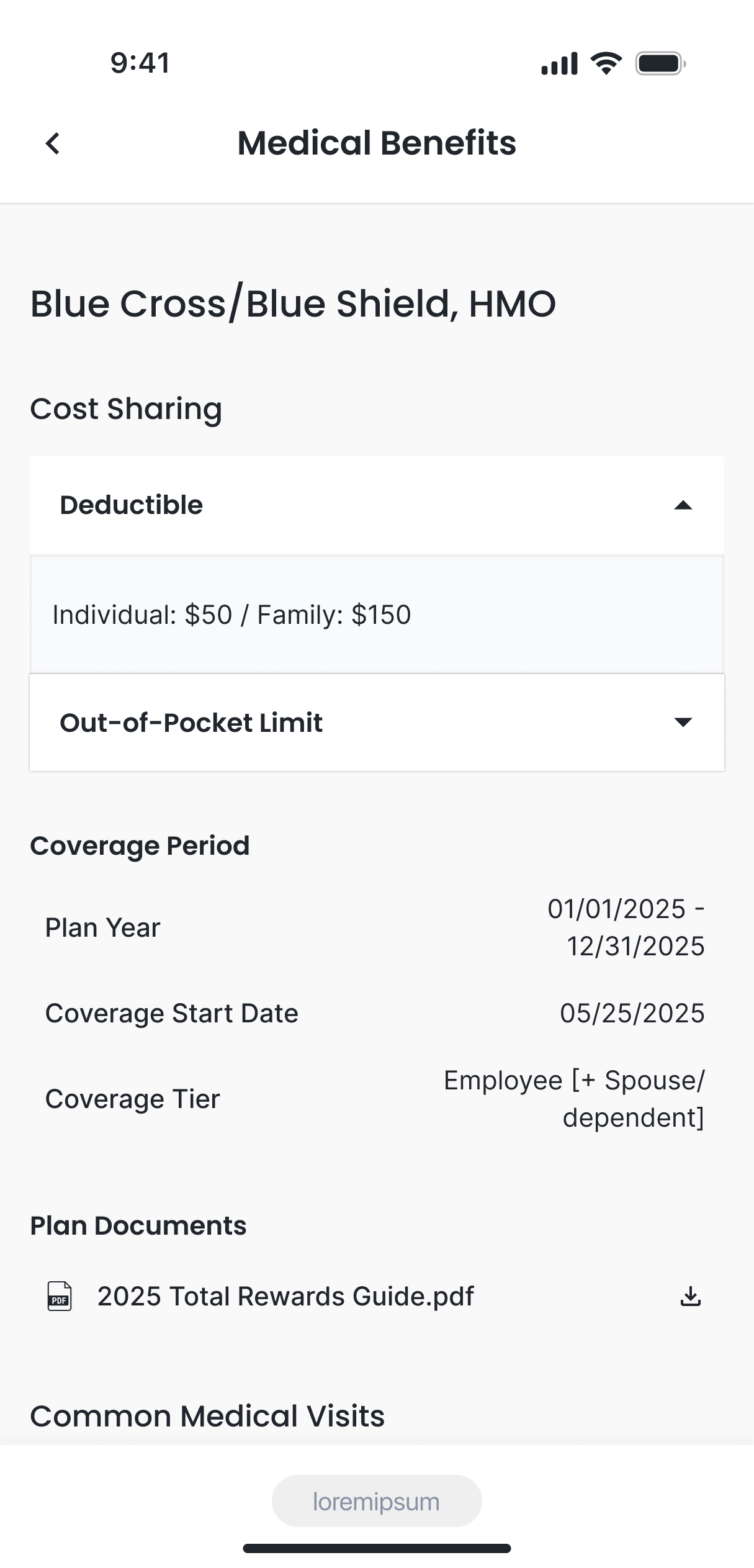
images showing mockups of insurance product created
create-case screen
detail screens
detail screens

Native app became responsive site

While at the time it felt frustrating, the work that we did on the app laid the foundation for what would become the responsive site. The decision was appropriate for what the product’s function would be offering as it overlapped with another product that we already offered. It had become a “let’s have an app” just to “have an app.”